Skip Navigation


The Tech Academies Summer Institute Brings Hands-On STEM Learning to Life
August 31, 2026
During Summer Institute, educators build, test, and refine hands-on STEM activities that spark curiosity, confidence, and real-world problem-solving.
What happens when 19 educators and six teacher-coaches spend a week building, testing, revising, and reimagining hands-on STEM lessons at The Tech Interactive?
A lot of joyful experimentation. A few spectacular failures. And plenty of “aha” moments.
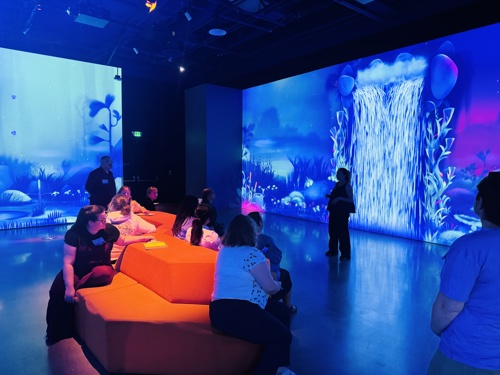
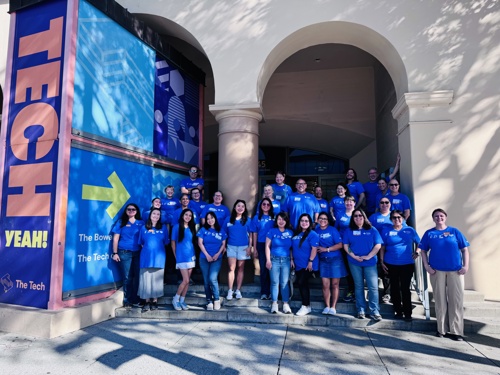
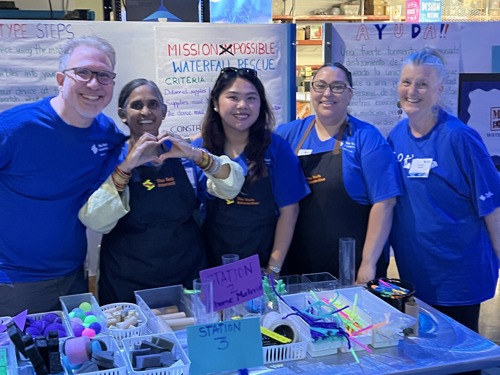
This summer, The Tech hosted its 11th Summer Institute for The Tech Academies Fellows, a week-long professional development experience focused on hands-on STEM learning, Design Challenge Learning, and Computational Thinking. Educators came from San Jose public schools and libraries, Gilroy Unified School District, San Benito County, and charter and private schools, representing elementary, middle, and high school learning environments.
Together, they explored how to bring more curiosity, creativity, and confidence into STEM classrooms.
Learning by Doing
Summer Institute is not the kind of professional development where educators sit back and listen. It is active, collaborative, and deeply hands-on.
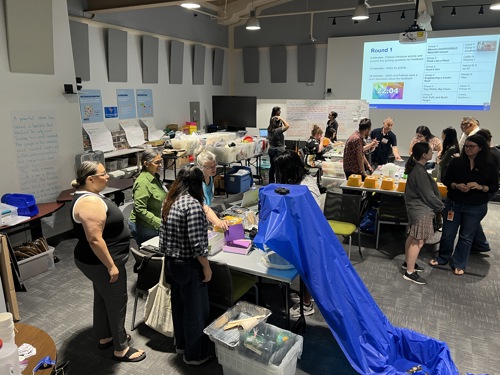
Throughout the week, educator teams co-created interactive activities, tested prototypes, gathered feedback, and revised their ideas. They prototyped their activities in the museum with guests, summer camp students, and subject matter experts who helped them connect each activity more clearly to real-world challenges.
One team started with an activity about “keeping objects cool on a hot day.” After feedback, they reframed it around a more relatable challenge for young students: building a shade structure to keep a pet cool on a hot summer day.
Another team shifted from “transport supplies across a body of water using wind power” to “transport disaster relief supplies for a rural community across a body of water using wind power.”
Those small changes made the activities feel more meaningful, more human, and more connected to the kinds of problems students might see in their own communities.
From Mystery Solving To Shade Structures
The week included an incredible range of activities.
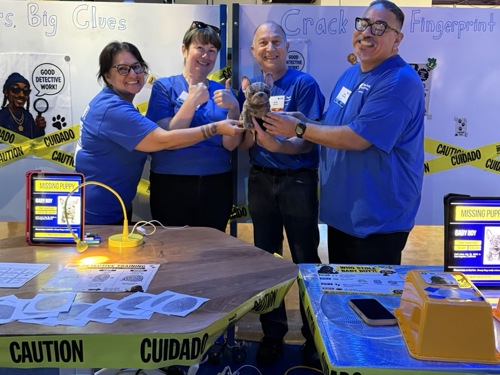
In one Computational Thinking activity, students became forensic scientists helping locate Snoop Dog’s lost dog. They examined fingerprints and used a CT element, pattern recognition, to match evidence from the scene.
Computational Thinking is a problem-solving process often used in computer science, but it can be applied almost anywhere. It includes four elements: decomposition, pattern recognition, algorithms, and abstraction. In the lost dog activity, pattern recognition helped students look closely, compare details, and make evidence-based decisions.
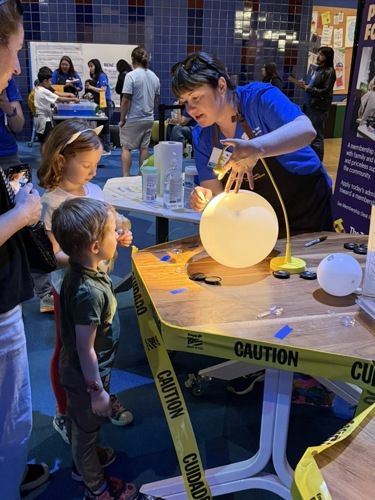
In another activity, students were challenged to design a shade structure to keep a pet cool on a hot summer day. They built with materials of different types and colors, tested their designs under a heat lamp using temperature strips, and revised their structures to lower the temperature for the next round.
That is Design Challenge Learning in action: build, test, learn, and try again.
Or, as one participant put it, “Have fun at failing, it’s how we learn! Try, fail, test, and try again.”
Building Educator Confidence
Summer Institute is part of The Tech Academies Fellowship Program, The Tech’s flagship educator professional development program. Since 2015, The Tech Academies has reached more than 4,000 educators and 170,000 students.
The program exists because access to high-quality, hands-on STEM learning is still uneven, especially in elementary education, expanded learning programs, and rural communities. When educators feel confident facilitating STEM lessons, students have more opportunities to see themselves as problem-solvers, designers, and future innovators.
“The Summer Institute experience seeks to inspire our educators to innovate new and exciting ways to teach STEM content in their classrooms,” said Kelly Billings-Yadav, educator learning program manager at The Tech. “Educators created incredible, hands-on activities for the museum, and I’m so excited to see how that translates to what they create for their classrooms this fall.”
For many fellows, the week added new tools to their teaching practice.
“I’m adding engineering design thinking,” one participant shared. “It will help me be more curious, persevere, bold, and learn from mistakes.”
Another summed up the spirit of the week perfectly: “One person’s trash is another person’s design challenge material.”
What Happens Next
The learning doesn't stop when Summer Institute ends.
This fall, fellows will continue through four Community of Practice meetings focused on implementing STEM Design Challenge Learning or Computational Thinking lessons in their classrooms. Educators will design lessons, try them with students, and bring back video and student data to reflect with colleagues.
They will also receive support to lead STEM professional development at their own school sites, helping share hands-on teaching strategies with even more educators.
That ripple effect is at the heart of The Tech Academies. A week of tinkering at The Tech becomes a classroom lesson, then a school-site training, then a new opportunity for students to build, question, test, and discover.
And over the next five years, The Tech hopes to broaden the program’s reach even further, including supporting more educators in California’s Central Valley and developing a hybrid model to make the program more accessible beyond California.
Summer Institute may last one week, but its impact keeps building. One prototype, one classroom, and one young innovator at a time.