 Skip Navigation

Arctic Explorer Challenge
November 17, 2026
 Oh no, Domi misplaced his polar expedition gear. Search through the exhibits to help find all the pieces of Domi’s gear during Polar Play Days at The Tech Interactive!
- Related Topics:
- Special Events,
- Education,
- What's New at The Tech Interactive
Between your making in Tech Studio and immersing yourself in Dream Garden, be on the lookout for all of the necessary gear an arctic explorer would need. For a deeper dive into the wonders of the Arctic, catch a screening of “Everest,” "Antarctica" or “Penguins: A Love Story” in the IMAX® Dome Theater!
Gear List
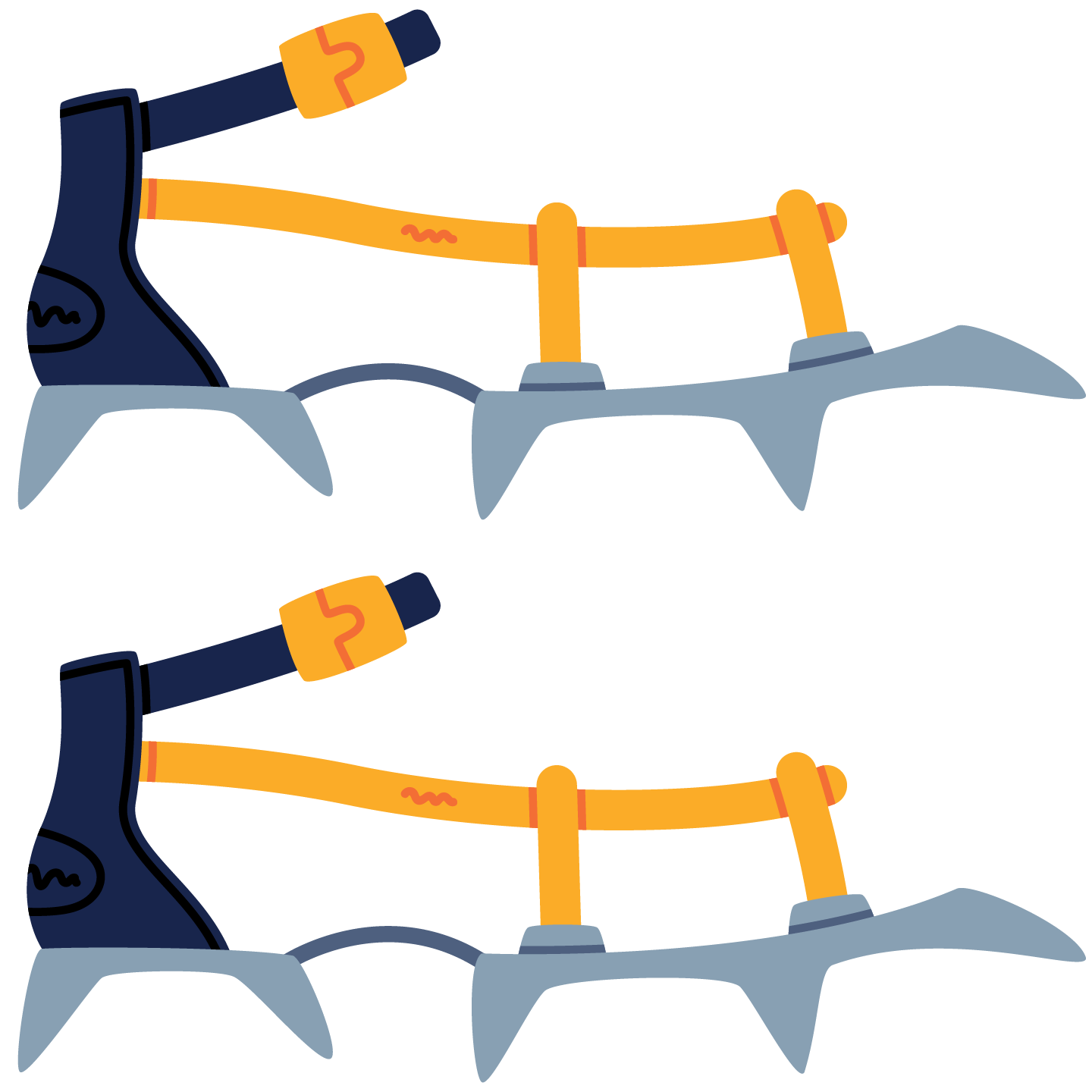
Crampons

Goggles & Balaclava
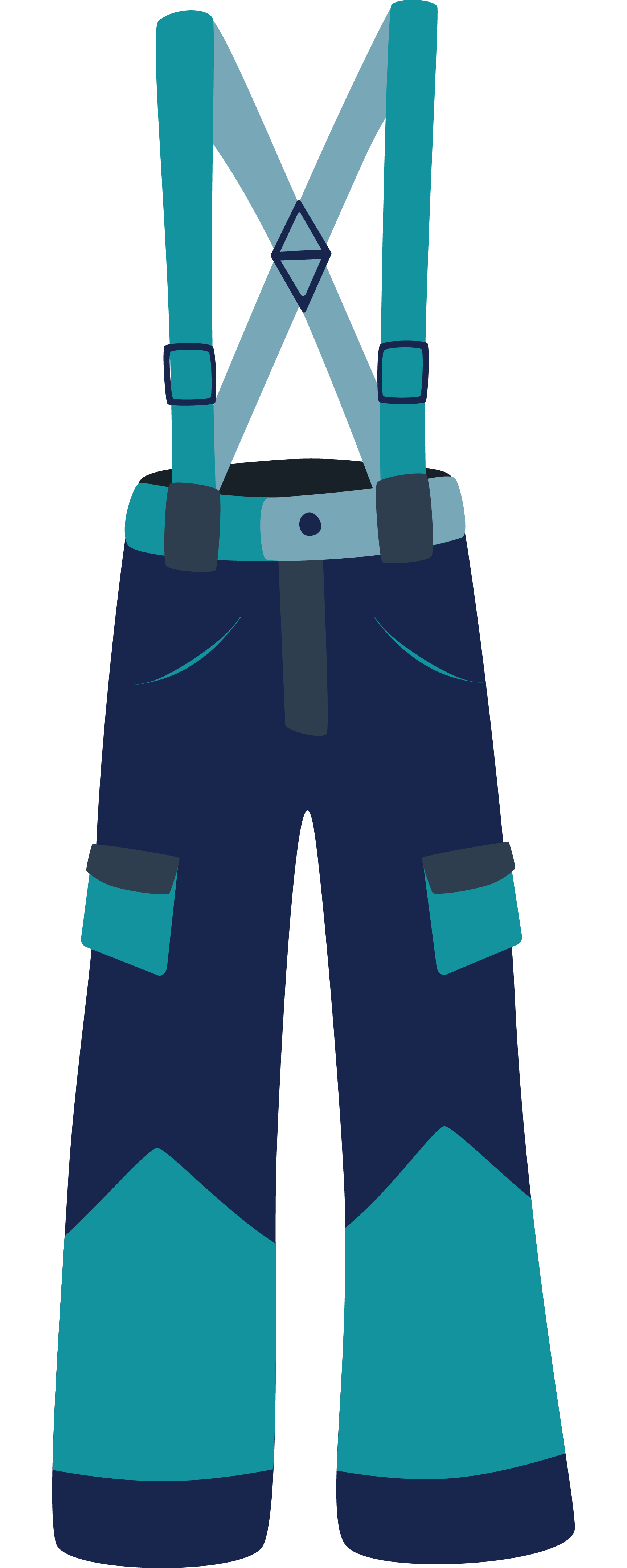
Pants
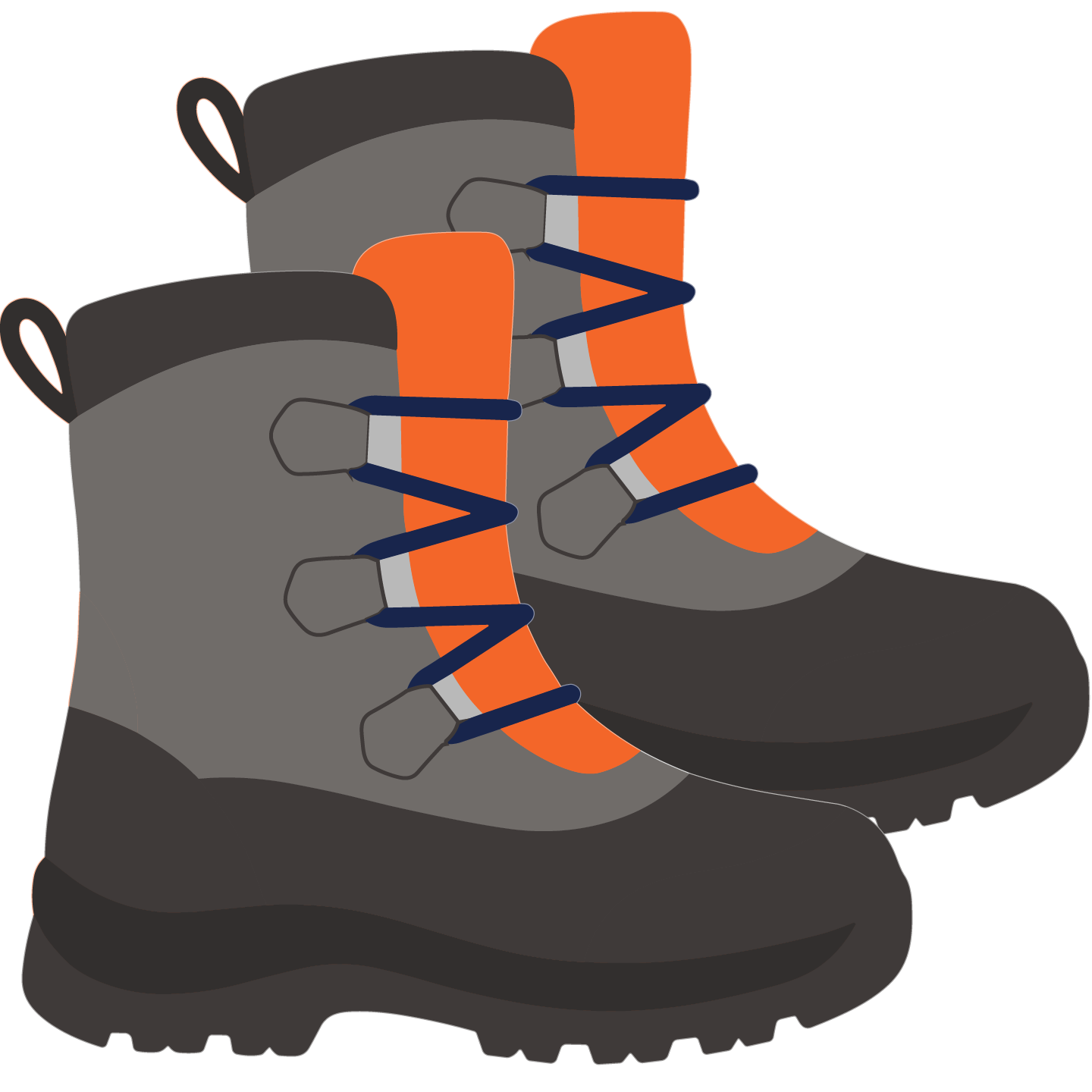
Boots

Ice Axe
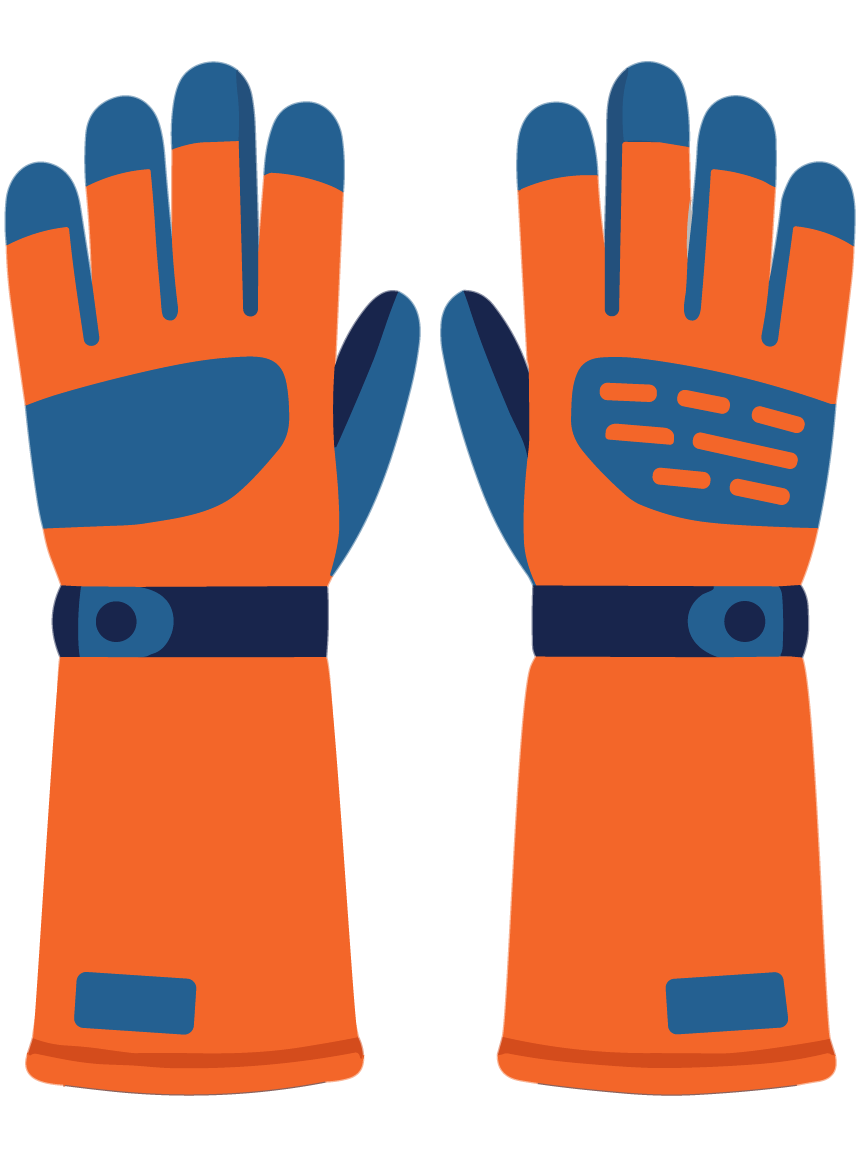
Gauntlet Mittens
Pack
Parka
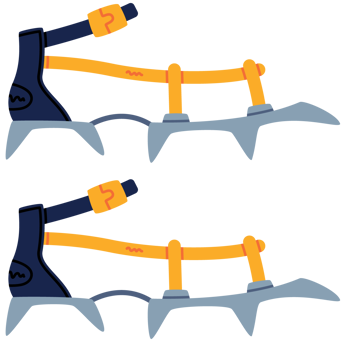
Exploration in the Arctic and Antarctic regions means encountering snow and ice. Winter boots are designed to get good traction in the snow, but explorers need something with a little more bite to get across ice. Crampons are special footwear with long spikes that allow for explorers to get a grip on the slippery surface.
Modern-day crampons can be fitted over a variety of winter boots. You can find different types for activities like mountaineering, ice climbing, and walking across glaciers.

In the polar regions it is important to protect your skin and eyes from the sun, wind, and extreme cold. A balaclava and a pair of goggles are essential pieces of equipment for doing this.
A balaclava is an extra layer made of warm, breathable material that protects your head, neck, and face. Goggles keep the rest of your face warm while blocking wind and light so you can see.
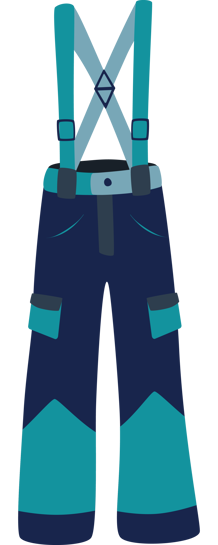
Polar expedition pants have really changed since the days of the first arctic explorers. In the past, pants were made of twill or canvas with a layer of wool underneath. They were heavy and difficult to move around in.
Today’s gear is lightweight, durable, and designed for ease of movement. The outer shell is windproof and waterproof with a down or synthetic fill for warmth. The ankle has extra fabric that seals around your boot to keep snow from getting in. Pockets are also placed lower on the thighs to provide easy access and to allow for better mobility.
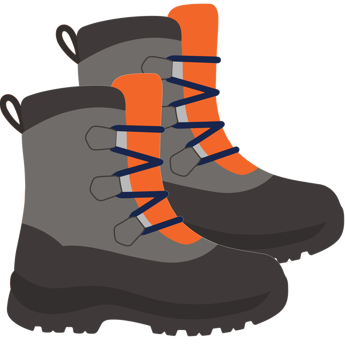
Boots are often designed with specific activities in mind. There are boots designed for trekking, mountaineering, and climbing. Some boots are even especially designed to work well with other aids like crampons, skis, and snowshoes.
What do all these boots have in common? They are all lightweight with breathable insulation, a waterproof outer layer, and a sturdy outsole to grip the terrain.

When on an Arctic expedition, explorers need special tools like an ice axe to get over obstacles. Explorers might use ice axes to ice climb, stop themselves from falling, clear ice, cut steps or seats, or create a handhold by plunging the handle into the snow.
To do these things ice axes have a strong handle made out of wood or lightweight metals. The head is always made of a strong metal like steel. To add versatility, some axes have interchangeable heads with features like hoes, axes, picks, adzes, and hammers.
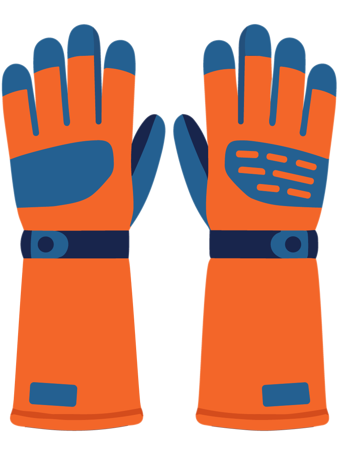
Frostbite is a constant concern in the coldest regions of our planet. It is important to protect vulnerable parts of your body, like your fingers, at high elevation or near the poles. Gauntlet mittens are designed to do just that. They often have a fleece lining and are filled with down or a down-like synthetic material. This is all wrapped within a durable, windproof and waterproof layer.
The gauntlet is a part of the mitten that extends halfway up the forearm. This design covers the gap between a shorter mitten and the end of the sleeve on a parka while allowing easy removal of the mitten. No more fussing with tucking your mitten into your sleeve!
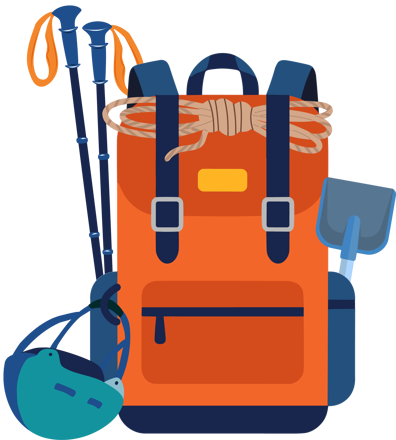
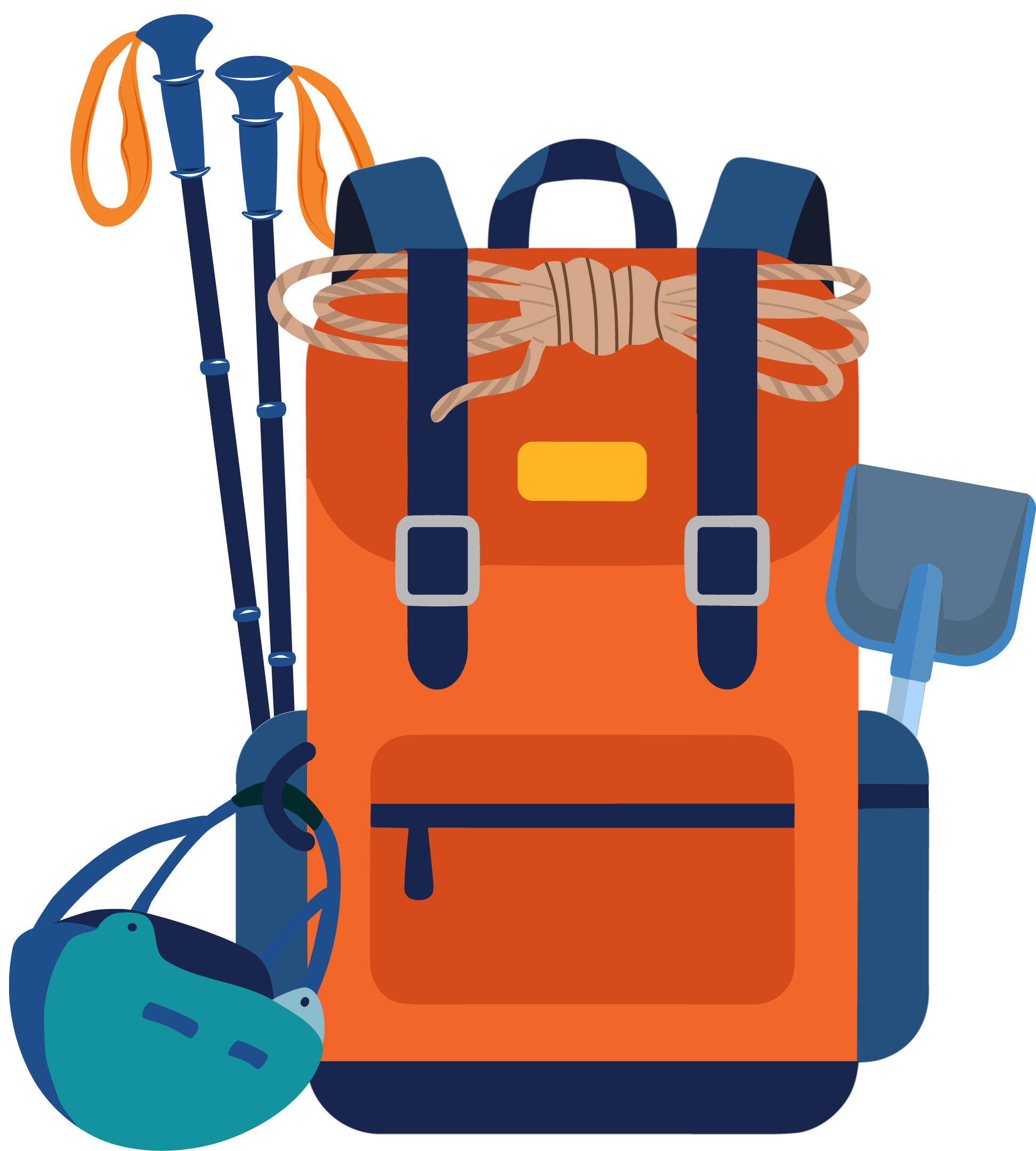
Packs are essential for any expedition. In the polar environment they allow you to carry essential tools, a tent, extra clothing , and food and water. These packs often have a volume of 80-110 liters, which is nearly twice the volume of an expedition pack used in warmer environments.
Why so much more volume? In the winter people consume more calories to stay warm and carry the extra equipment necessary to stay safe. Sleeping bags and gear are also bulkier due to all the added insulation.
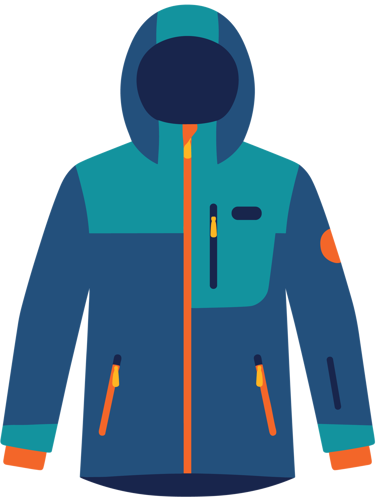
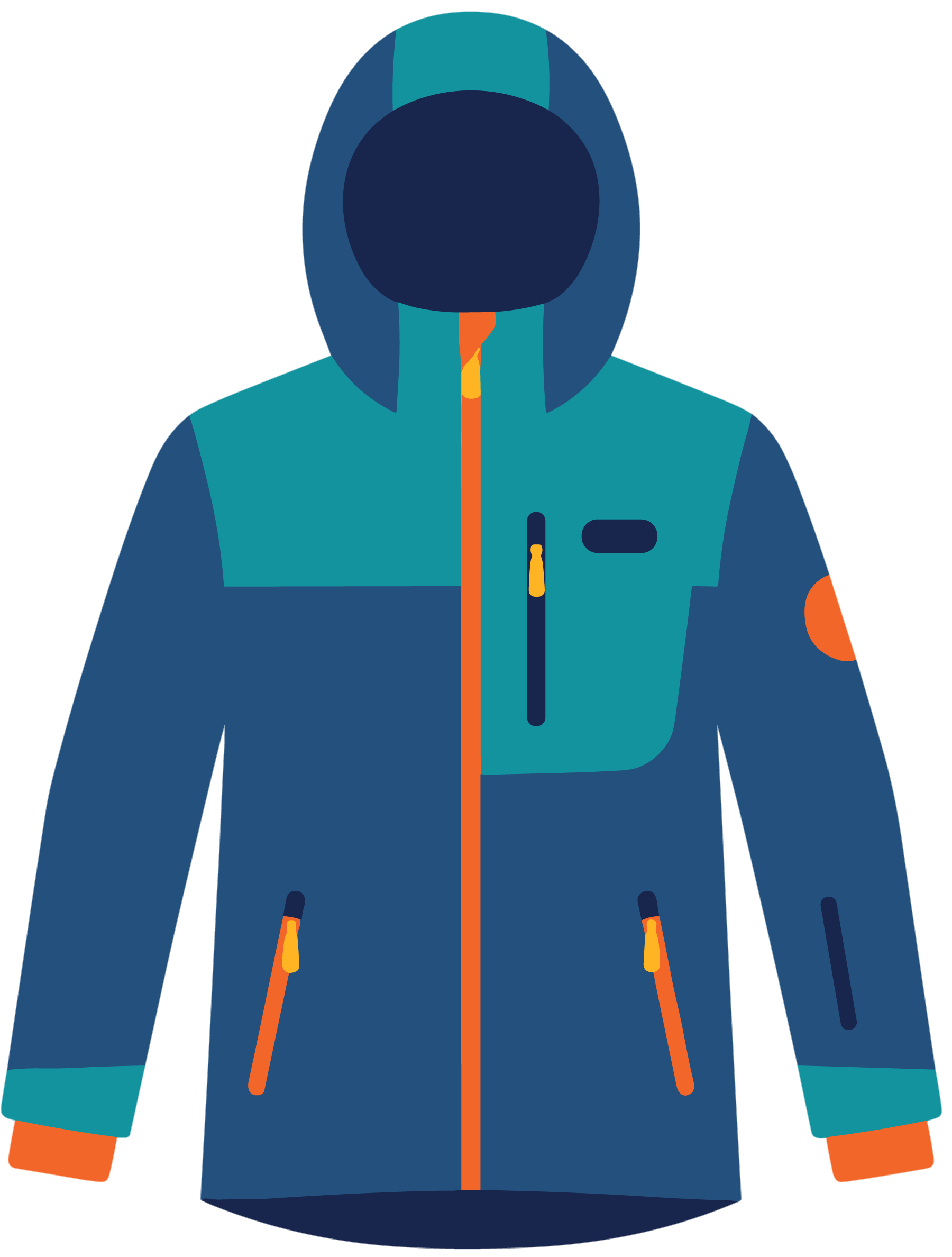
The polar expedition parka has evolved similarly to pants. What was once heavy and difficult to move in has become lightweight and versatile. Instead of having to wear separate layers, modern jackets are designed with a durable outer shell and a down or synthetic insulation.
The outer shell is made with windproof and waterproof materials that are breathable. There is often a large hood that can cover a helmet and be tightened. Jackets can be colored a highly visible red or orange, or camouflaged white to blend in. Coats are also equipped with big pockets in the front and smaller ones along the arms to carry the many tools an explorer wants easy access to.